
Is Redding Really the Second Sunniest City in America? What NOAA and WRCC Data Show
Redding's 88% annual possible sunshine is backed by NOAA airport normals. Here's what the data actually says, and the one claim to treat carefully.
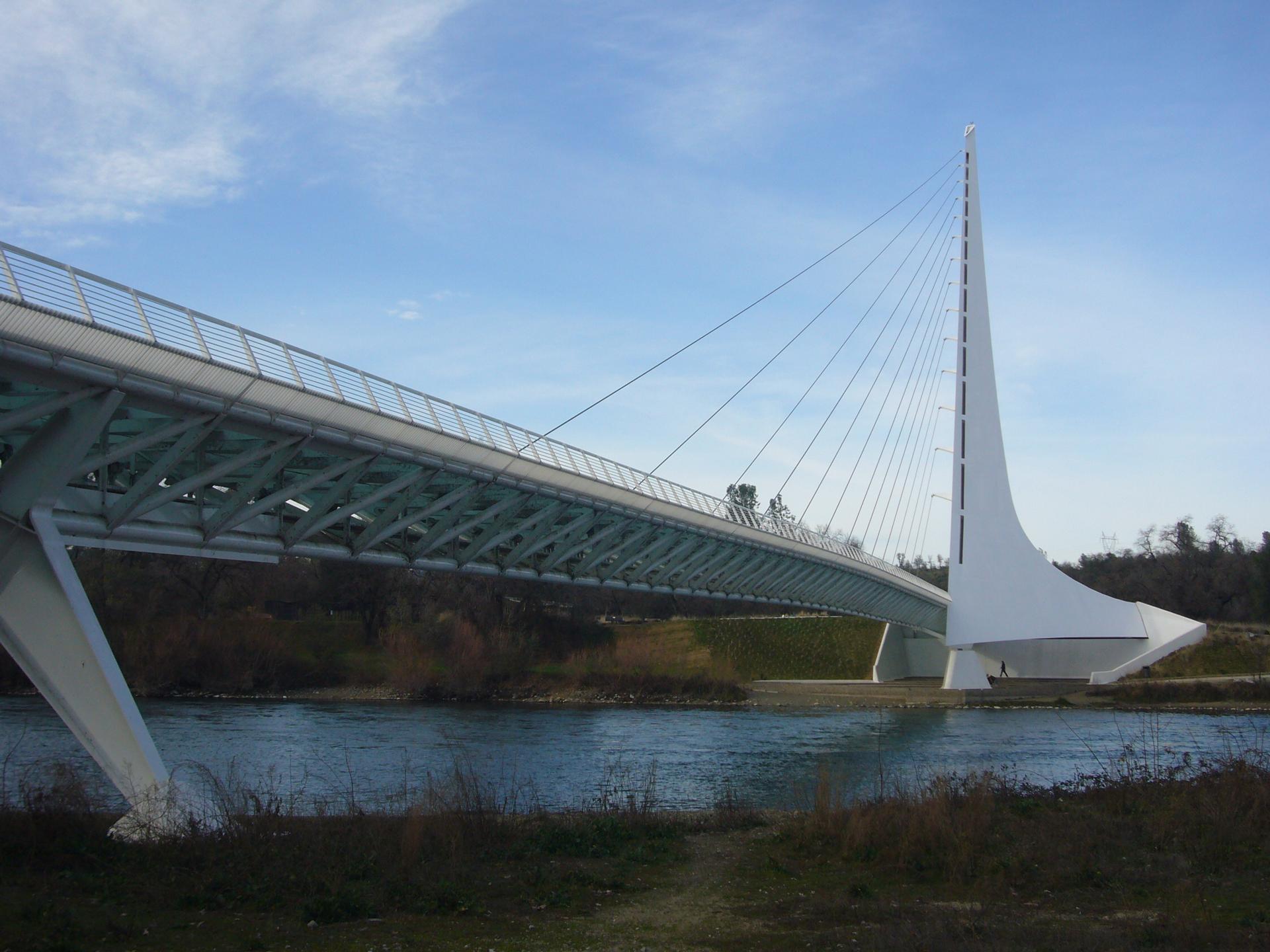
If you've looked into Redding at all, you've probably seen the claim: second sunniest city in the United States. Visit Redding uses it. Local tourism materials use it. And it sounds almost too good to be true for a city that's also considerably more affordable than most of California.
Here's what the actual data shows, and why the 88% sunshine figure is the number worth leading with.
What NOAA Actually Says
NOAA's 1991–2020 climate normals for Redding Municipal Airport (KRDD) show 88% annual percent possible sunshine. WRCC's climate summary for the same station independently shows 88% as well. That figure is solid, primary-source verified, and directly applicable to Redding's lifestyle story.
For context: the national average is roughly 57% possible sunshine. The California average is around 73%. Redding at 88% is genuinely exceptional.
The "Second Sunniest" Ranking
The specific national rank is trickier. WRCC's broader sunshine ranking page lists Yuma, Arizona at 90%: clearly #1. Behind Yuma, cities like Las Vegas, Phoenix, and Tucson cluster around 85%. Redding at 88% fits in that top tier.
However, WRCC's comparison page doesn't cleanly publish a ranked list that confirms Redding as the definitive #2. The claim appears in city and tourism messaging, but the methodology behind the exact rank isn't documented in those sources.
The safest, most accurate website language: "Redding's airport normals show about 88% possible sunshine annually, among the highest in the country." That's fully supportable and more meaningful to a buyer than a ranking alone.
What 88% Sunshine Means for Buyers
For real estate purposes, Redding's sunshine shapes daily life in ways that matter:
- A longer, more dependable outdoor season: hiking, biking, kayaking, golf, and trail use aren't weekend-only activities
- A recreation calendar that runs nearly year-round rather than compressed into summer
- More consistent solar production for buyers considering rooftop solar
The tradeoff is real and worth saying clearly: Redding summers are hot. Buyers should pay close attention to HVAC age and condition, insulation, shade trees, pool availability, window exposure, and summer utility costs when comparing homes. The City of Redding's electric rate ($0.15/kWh) is far below the California average ($0.33/kWh), but summer cooling loads still add up on a poorly insulated home.
Bottom Line for Relocating Buyers
The sunshine is real and NOAA-verified. The lifestyle benefit is real. The exact national rank is a marketing claim worth treating carefully. Lead with the 88% figure. It's the most honest and most compelling version of the story.
Have questions about what Redding's climate means for a specific home or neighborhood? Reach out. We're happy to talk through what to look for.
Topics
More Posts